A sliding patio door that sticks, jumps off its track or refuses to lock is one of the most common door problems in Toronto homes and condos. The good news: most sliding door problems are caused by a small number of worn parts — rollers, tracks, handles and locks — and they can usually be repaired without replacing the whole door. This guide explains what causes each problem, what you can safely check yourself, and when it is time to call a professional sliding door repair technician in Toronto.

How a sliding patio door works
Understanding the parts makes it much easier to understand what has failed. A typical residential sliding patio door has:
- A fixed panel that does not move, and an operating panel that slides.
- Bottom rollers (also called wheels or carriages) hidden inside the bottom rail of the moving panel. They carry the full weight of the glass — often 40 to 100+ kg on a large double-glazed panel.
- A bottom track, usually an aluminum or vinyl rail the rollers run on.
- A top guide that keeps the panel upright and in the frame.
- A handle, latch and keeper, sometimes with a separate foot lock or keyed cylinder.
- Weatherstripping and interlocks that seal the gaps against wind, water and insects.
When any of these wears out, the door gets harder to move, stops sealing or stops locking. The trick is identifying which part is the real cause.
Door stuck, broken or forced?
Talk to a door technician now. Free estimates across Toronto and the GTA.
Problem 1: The door is hard to slide or feels heavy
Worn or broken rollers
This is the number one cause. Original rollers in many Toronto houses and condo units have been rolling for 15, 20 or even 30 years. The wheels flatten, the bearings seize, plastic wheels crack, and the door starts grinding along the track instead of rolling. You will often hear a scraping sound and feel the door “catch” at the same spot every time.
Replacing the rollers is the most common sliding door repair we do. It involves lifting the heavy panel out of the frame, removing the old carriages, fitting new rollers that match the door, and re-adjusting the height so the door glides and seals correctly. See our sliding door repair service in Toronto for details.
Dirty or damaged track
Sand, grit, pet hair and winter salt collect in the bottom track. Over time this debris wears the rollers and can dent or flatten the track itself. A bent track creates a bump the rollers have to climb over every time.
What you can do yourself
- Vacuum the track thoroughly, including the corners.
- Wipe it with a damp cloth and let it dry.
- Use a dry silicone spray if anything — avoid grease or oil, which attract more dirt.
If the track is dented or the top cap is worn through, it may need to be straightened, capped or replaced.
Roller height out of adjustment
Most rollers have an adjustment screw at the bottom edge of the door. If the door was set too low, the bottom rail drags on the track. If it is set unevenly, the door runs crooked and binds against the frame. Small adjustments can make a big difference — but if the rollers are already worn, adjusting them only buys a little time.
Problem 2: The door comes off the track
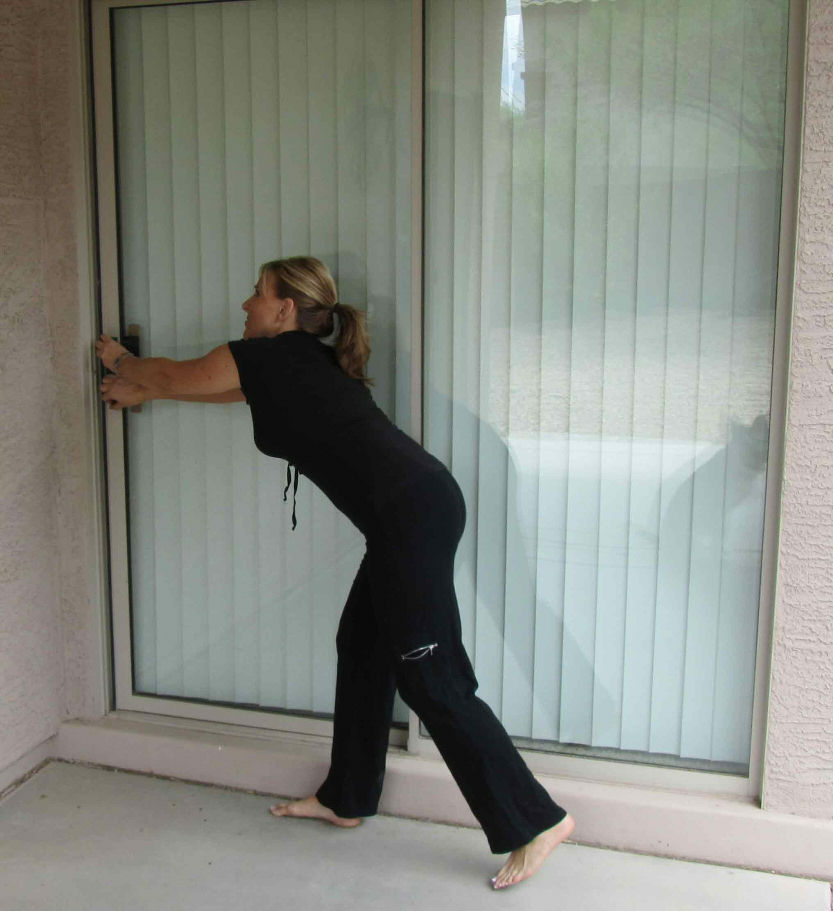
A door that jumps the track is not only annoying — it can be dangerous, because a heavy glass panel can fall. Common causes include:
- Broken rollers that no longer sit properly in the track.
- A loose or missing top guide, which lets the panel tilt out.
- A bent track after something heavy was rolled or dropped across it.
- Forcing the door when it is already binding.
If your door has come off the track, avoid wrestling it back yourself, especially on a large panel or a door on an upper floor or balcony. The safest approach is to have the panel lifted, the rollers and guides inspected, and the door re-hung properly.
Problem 3: The door will not lock or the handle is loose
Misaligned latch and keeper
When rollers wear down, the door sits lower in the frame. The latch on the door no longer lines up with the keeper on the frame, so the handle turns but nothing catches. Fixing the rollers and resetting the height often fixes the lock at the same time.
Worn or broken handle and lock mechanism
Handles on older patio doors are often die-cast metal or plastic that cracks with use. Internal latch springs break, and keyed cylinders wear out. Replacement handle sets are available for most common door brands; we match the hole spacing and style so the new handle fits without drilling new holes where possible.
Adding security
Sliding doors are a common entry point for break-ins, especially at ground level and on balconies that are reachable from outside. Practical upgrades include a secondary foot lock, a security bar in the track, and a handle with a keyed lock. If you have lost keys or moved into a new home, consider our door lock change service at the same visit.
Problem 4: Drafts, leaks and condensation
If you feel cold air at the edge of the door in winter, or water comes in during heavy rain, the seals and alignment need attention:
- Weatherstripping (the pile or rubber strips along the edges and interlock) flattens and tears with age.
- Misalignment from worn rollers opens a gap between the panels.
- Clogged weep holes in the bottom of the frame stop water from draining out.
- Failed sealed units — fog or condensation between the panes — mean the glass seal has broken. That is a glass replacement job rather than a hardware repair; see glass door repair.
Problem 5: The screen door does not slide
Patio screen doors have their own small rollers, usually at the top and bottom. When they wear out, the screen drags, falls off or jams. Screen rollers are inexpensive parts and are usually replaced at the same time as the main door rollers.
Repair or replace your sliding door?
Most sliding patio doors can be repaired. Replacement makes sense when:
- The frame is rotted, cracked or badly bent.
- The sealed glass units have failed on both panels and the frame is also worn.
- Parts for the door are no longer available.
- You want a better-insulated door for energy savings.
In most other cases — sticking, grinding, jumping the track, not locking — new rollers, track repair, a new handle and fresh weatherstripping restore the door for many more years at a fraction of the cost of replacement. For a broader look at the decision, read our guide on door repair vs. replacement in Toronto.
Sliding doors in Toronto condos
Condo balcony doors deserve a special mention. They are often large, heavy, and exposed to strong wind on higher floors. Building management may have rules about who can work on balcony doors and when. We regularly repair condo sliding doors across downtown Toronto, North York and Etobicoke — replacing rollers, fixing locks and resealing doors — and we are happy to coordinate with your property manager when needed.
How a professional sliding door repair visit works
- Inspection. The technician checks the rollers, track, top guide, lock and seals to find the real cause.
- Explanation and quote. You hear what is wrong and what it will take to fix it before work starts.
- Repair. The panel is lifted out, worn parts are replaced, the track is cleaned or repaired, and the door is re-hung.
- Adjustment and test. Height, alignment and lock engagement are adjusted until the door glides smoothly and locks properly.
Get it fixed properly the first time
Tell us what the door is doing and we will tell you if it needs repair or replacement.
Types of sliding doors and their typical weak points
Vinyl sliding patio doors
Vinyl doors are the most common type in GTA houses built or renovated from the 1990s onward. They are affordable and insulate well, but the bottom rail can flex as the door ages, and the plastic track cap wears through. Roller housings are often riveted or screwed into the vinyl, so replacement rollers must match the original profile. Vinyl also expands and contracts noticeably between a hot July afternoon and a cold January night, which is why a vinyl door that slides fine in spring may bind in winter.
Aluminum sliding doors
Older homes, many condos and most balcony doors use aluminum frames. Aluminum is strong and stable, but it conducts cold, so condensation and frost along the bottom track are common. Salt and moisture corrode the track and the steel axles inside the rollers. On aluminum doors we often find that the track itself is worn into a groove that new rollers need to fit.
Wood and wood-clad sliding doors
Wood-clad patio doors look great but need more care. If water sits on the sill, the bottom of the wood panel can swell or rot, which makes the door heavy and hard to move. Catching water damage early can save the door; once the rot reaches the frame, door frame repair or replacement may be needed.
Pocket and interior sliding doors
Interior pocket doors and closet sliders use lighter hardware on a top track rather than bottom rollers. When they jump off, it is usually the top hangers or the track inside the wall. These are usually quicker repairs, but getting at the track sometimes means removing trim.
A seasonal maintenance checklist for sliding doors
A few minutes of care twice a year prevents most of the problems in this guide.
Spring
- Vacuum winter grit and salt out of the track and corners.
- Check the weep holes at the bottom of the frame and clear them with a thin wire or pipe cleaner so rainwater drains out.
- Inspect the weatherstripping for flattened or torn sections.
- Slide the door fully open and closed and listen for grinding — the earliest sign of a failing roller.
Fall
- Clean the track again before the first freeze.
- Check that the lock engages firmly; a lock that needs force usually means the door has dropped.
- Look for drafts at the interlock between the two panels by holding your hand along the edge on a windy day.
- Replace the screen rollers if the screen drags, so it does not get forced and bent.
Things to avoid
- Do not use oil or grease in the track — it collects dirt and accelerates wear.
- Do not lift or slam a binding door; forcing it can break the roller housings or crack the glass.
- Do not keep heavy planters or furniture rolling across the bottom track.
Sliding door safety and security
Sliding doors are large glass openings, so safety deserves attention as well as convenience.
- Children and pets: a door that slams shut on its own or is hard to control is a pinch hazard. Smooth rollers and correct height make the door easier and safer to operate.
- Break-in resistance: older single-point latches are easy to defeat. A secondary foot lock, a track bar and a solid handle lock add layers of protection. After a break-in or an attempted break-in, have the latch, keeper and frame checked for damage, and see our door break-in repair service.
- Glass: chipped or cracked glass in a sliding door should be replaced promptly. Temperature changes and the movement of the panel can make a small crack spread.
What affects the cost of a sliding door repair
We do not publish fixed prices because every door is different, but these are the factors that determine what a repair involves:
- Which parts are worn — rollers only, or rollers plus handle, lock, track cap and weatherstripping.
- Door size and weight — large triple-pane panels need two people to lift safely.
- Parts availability — common roller and handle profiles are easy to source; discontinued doors may need adapted parts.
- Condition of the track and frame — a damaged track or rotted sill adds work.
- Access — upper-floor balconies and condo buildings may need scheduling with management.
You will always get a clear explanation of what is needed before any work starts.
Sliding door repair across the GTA
We repair sliding and patio doors in Toronto and throughout the Greater Toronto Area, including Mississauga, Brampton, Vaughan, Markham, Richmond Hill, North York, Etobicoke, Oakville, Burlington, Uxbridge and Bolton. For a door that will not close or lock at night, see our emergency door repair in Toronto.
Frequently asked questions
Why is my sliding door suddenly so hard to open?
Usually the rollers have worn out or debris has built up in the track. Clean the track first; if the door still grinds or drags, the rollers most likely need replacing.
Can sliding door rollers be replaced without replacing the door?
Yes. Roller replacement is one of the most common sliding door repairs and restores smooth operation without replacing the door or frame.
Is it safe to lift a sliding door off the track myself?
Large glass panels are very heavy and can shatter if dropped. For anything bigger than a small, light door, it is safer to have a technician remove and re-hang the panel.
Why won’t my patio door lock anymore?
Often the door has dropped because of worn rollers, so the latch no longer meets the keeper. Restoring the door height usually fixes it; otherwise the handle or lock mechanism needs replacing.
Do you repair condo balcony sliding doors?
Yes. We repair balcony and patio sliding doors in condos and houses across Toronto and the GTA.
Need your sliding door fixed?
Call Door Repair Near Me at (647) 955-5637 or send us a message to book a sliding door repair. Tell us what the door is doing — sticking, off the track, not locking or leaking — and we will help you figure out the fastest fix.
Get it fixed properly the first time
Tell us what the door is doing and we will tell you if it needs repair or replacement.